
EXPERT IN PLASTIC INJECTION MOLD&MOLDING&PROTOTYPING
GALAXY3DM LSR assists you in the design and manufacture of your parts and sub-assemblies in silicone materials. Our integrated offer of service may provide you with a trusted collaboration with a single silicone engineering sub-contractor.
EXPERT IN PLASTIC INJECTION MOLD&MOLDING&PROTOTYPING
GALAXY3DM LSR assists you in the design and manufacture of your parts and sub-assemblies in silicone materials. Our integrated offer of service may provide you with a trusted collaboration with a single silicone engineering sub-contractor.


Liquid Silicone Rubber Molding
Galaxy3DM uses a variety of methods to produce Silicone Mold and Molding parts. Our experienced engineers will select the best method for your project based on factors such as production volume, parts dimensions, budget, and other requirements.
Our extensive experience with LSR Molding enables us to produce innovative and cost effective parts for our OEM customers.
How Does Liquid Silicone Rubber Molding Work?
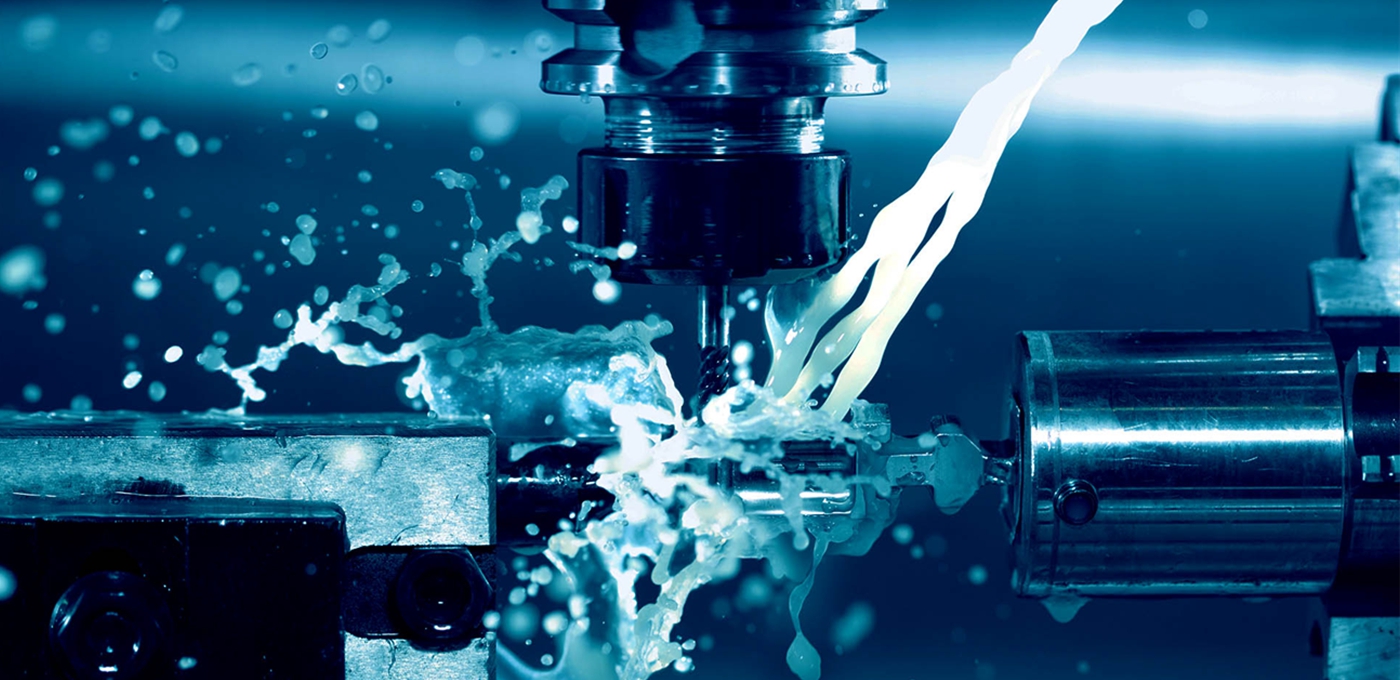
LSR molding differs slightly from thermoplastic injection molding due to its flexibility. Like a standard aluminum tool, an LSR molding tool is fabricated using CNC machining to create a high-temperature tool built to withstand the LSR molding process.
After milling, the tool is polished by hand to customer specifications, which allows six standard surface finish options.
From there, the finished tool is loaded into an advanced LSR-specific injection molding press that is precision geared for accurate control of shot size to produce the most consistent LSR parts. At Galaxy3DM, LSR parts are manually removed from the mold, as injector pins can impact part quality. LSR materials include standard silicones and specific grades to fit various part applications and industries like medical, automotive, and lighting. Since LSR is a thermosetting polymer, its molded state is permanent—once it is set, it can’t be melted again like a thermoplastic. When the run is complete, parts (or the initial sample run) are boxed and shipped shortly thereafter.

- 25 to 10,000+ parts
- Shipped in as fast as 1 day
LSR Common Application

Low Volume Production

Bridge Tooling

Pilot Production

Functional Prototyping
SILICONE OVERMOLDING PRODUCTS


LSR INJECTION PRODUCTS


LSR MOLD

LCR Mold factory China Galaxy3dm (5)

LCR Mold factory China Galaxy3dm (1)

LCR Mold factory China Galaxy3dm (2)

LCR Mold factory China Galaxy3dm (4)
Human Body Silicone Model


Design Guidelines: Liquid Silicone Rubber Molding
Our basic guidelines for liquid silicone rubber molding include important design considerations to help improve part moldability, enhance cosmetic appearance, and reduce overall production time.
Size Maximum Dimensions IN/MM
| SIZE | 12 in. x 8 in. x 4 in. |
|---|---|
| VOLUME | 26 cu. in. |
| DEPTH | No greater than 2 in. from any parting line; deeper parts are limited to a smaller outline |
| PROJECTED MOLD AREA | 65.5 sq. in. |
Typically, Protolabs can maintain a machining tolerance of +/- 0.003 in. (0.08mm) with a linear tolerance of +/- 0.01 in./in. (0.01mm/mm).
Material Selection
We stock a range of Silicone materials that are suitable for various part applications and industries. Choose from standard silicones in multiple durometers along with optical-, medical-, and fuel-resistant grades.
When selecting a material, consider the material properties, manufacturability characteristics, cosmetic appearance, and cost.


86-13143415646
Contact:
 Tel: 86-755-23000620 Fax: 86-755-23000621
 Email:info@galaxy3dm.com/info@seetoptech.com
 Address: A3 , Dingfeng Industrial Zone, Fuyong Town, Shenzhen, China
Galaxy 3D Manfacturing Solution
Copyright (©) 2020 Shenzhen Seetop Technology Co.,Limited
